


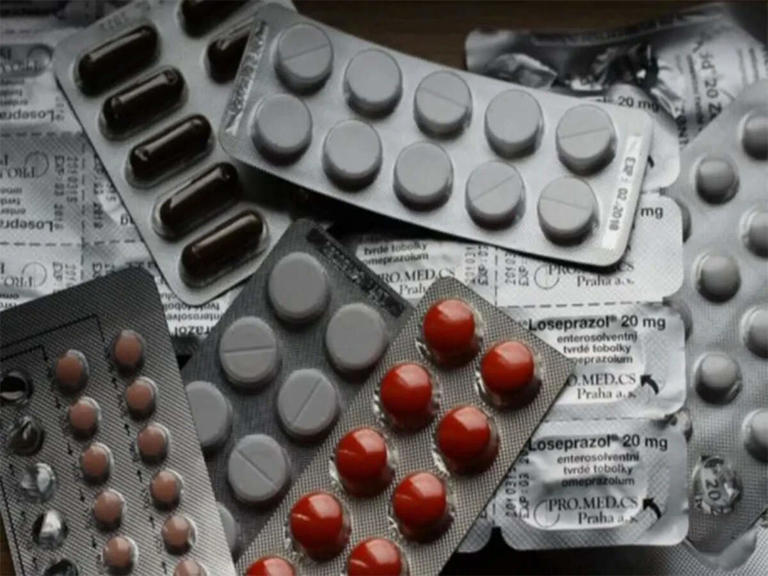
India’s pharma export sector continues to demonstrate remarkable resilience and steady growth despite ongoing global economic uncertainties. As per the latest data, India’s pharma export has nearly reached the $29 billion milestone during the April–February period of FY26, reinforcing the country’s position as a global leader in affordable and high-quality medicines.
also see: market news
According to the Pharmaceuticals Export Promotion Council of India, India’s pharma export stood at $28.29 billion for the first eleven months of FY26, reflecting a growth of 5.6% compared to the same period last year. This consistent performance highlights the sector’s ability to withstand pricing pressures, geopolitical tensions, and fluctuating demand across international markets.
K Raja Bhanu, Director General of PHARMEXCIL, emphasized that India’s pharma export sector has been one of the few industries maintaining stable growth amid global volatility. He noted that the expansion has been driven primarily by high-value segments such as formulations, biologicals, vaccines, and AYUSH products. These segments have played a crucial role in strengthening India’s export basket and expanding its global footprint.
The strong performance of India’s pharma export is not a one-off trend. In FY 2024-25, the country recorded pharmaceutical exports worth $30.47 billion, marking a robust year-on-year growth of 9.4%. This upward trajectory underscores the increasing global reliance on India for cost-effective medicines, especially in developing and emerging markets.
India’s pharmaceutical industry, currently valued at around $60 billion, is projected to grow significantly in the coming years. Industry estimates suggest that it could more than double to $130 billion by 2030. This anticipated growth is expected to further boost India’s pharma export, driven by innovation, increased production capacity, and expanding global demand for generic drugs and specialty medicines.
One of the key strengths behind India’s pharma export success is its dominance in generic drug manufacturing. India is often referred to as the “pharmacy of the world,” supplying a substantial portion of generic medicines to countries across Africa, Asia, Europe, and the United States. The country’s ability to produce high-quality drugs at competitive prices has given it a significant edge in the global market.
Additionally, the growing demand for vaccines and biological products has further accelerated India’s pharma export growth. The post-pandemic world has seen increased focus on healthcare infrastructure and preventive medicine, creating new opportunities for Indian pharmaceutical companies to expand their reach.
However, challenges remain. Pricing pressures in regulated markets like the US and Europe, along with evolving compliance requirements, continue to pose risks. Trade uncertainties and currency fluctuations also impact export margins. Despite these hurdles, India’s pharma export sector has managed to maintain a stable growth trajectory, showcasing its adaptability and strength.
Looking ahead, government initiatives such as the Production Linked Incentive (PLI) scheme and increased focus on research and development are expected to further enhance India’s competitiveness in the global pharmaceutical market. These measures aim to boost domestic manufacturing, reduce dependency on imports, and promote innovation.
In conclusion, India’s pharma export sector is on a strong growth path, nearing the $29 billion mark and poised for further expansion. With a solid foundation, increasing global demand, and supportive policy measures, India is well-positioned to strengthen its role as a key supplier in the global healthcare ecosystem.
write by Devendra patel