
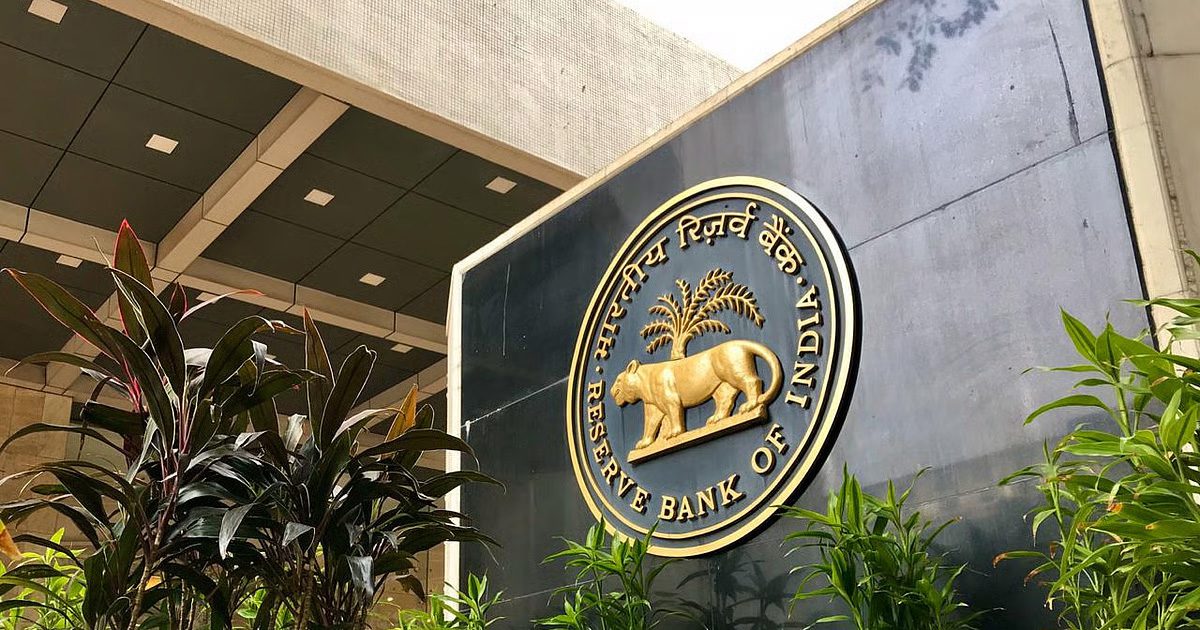
The latest RBI News signals a shifting economic landscape for India, as rising inflation risks and currency pressures begin to challenge the Reserve Bank of India’s policy outlook for FY27. What once appeared to be a stable “goldilocks period” is now facing uncertainty due to global geopolitical tensions and domestic financial concerns.
From Stability to Uncertainty
Just a few months ago, Sanjay Malhotra described India’s economy as being in a rare phase of balanced growth and low inflation. With GDP growth near 8% and inflation under control, the outlook seemed strong.
However, the situation has changed rapidly. The ongoing conflict involving the US and Israel against Iran has disrupted global energy markets, pushing crude oil prices close to $100 per barrel. This has created fresh inflationary pressures for an import-dependent economy like India.
RBI’s Policy Dilemma Ahead of April Meeting
As per current RBI News, the Monetary Policy Committee (MPC) is expected to meet on April 8 to decide the future course of interest rates. While earlier expectations pointed towards a pause in rate changes, the recent surge in inflation risks has opened the possibility of a rate hike later in the year.
Over 2025, the RBI had reduced the repo rate by 125 basis points to 5.25% to support growth. Now, economists believe that cycle may be nearing its end.
According to Sonal Badhan of Bank of Baroda, the central bank is likely to keep rates unchanged for now but may consider tightening if inflation crosses the 6% tolerance level.
Similarly, Rajani Sinha from CareEdge Ratings highlighted that the RBI is walking a tightrope between controlling inflation and sustaining economic growth.
Rupee Under Pressure
Another major concern highlighted in recent RBI News is the sharp depreciation of the Indian rupee. The currency weakened significantly in March, hitting record lows against the US dollar amid foreign investor outflows and global uncertainty.
The RBI has already stepped in with measures to stabilize the currency, including restricting certain speculative trades in the non-deliverable forward (NDF) market. These steps helped the rupee recover slightly, but analysts warn that volatility may continue.
Weak foreign investment flows, rising current account deficit concerns, and global risk aversion have all contributed to the pressure on the rupee.
Growth Outlook Faces Downside Risks
India’s growth outlook for FY27 is also being reassessed. While earlier projections placed GDP growth between 7.0% and 7.4%, economists are now warning of potential downside risks.
Experts at SBI Mutual Fund estimate that growth could moderate to around 6.9%, compared to 7.8% in FY26. They also expect the rupee to depreciate further by 4–5% during the year if global uncertainties persist.
What Lies Ahead for RBI Policy?
The evolving RBI News suggests that the central bank may adopt a cautious “wait-and-watch” approach in the near term. While immediate rate hikes seem unlikely, the direction of monetary policy will largely depend on how inflation, oil prices, and global tensions unfold over the coming months.
If inflation rises beyond the RBI’s comfort zone and currency pressures intensify, a rate hike towards the end of FY27 cannot be ruled out.
Conclusion
The current RBI News reflects a complex and uncertain economic environment where global events are playing a decisive role in shaping domestic policy decisions. As inflation risks rise and the rupee remains under pressure, the RBI’s upcoming moves will be crucial in maintaining economic stability.