
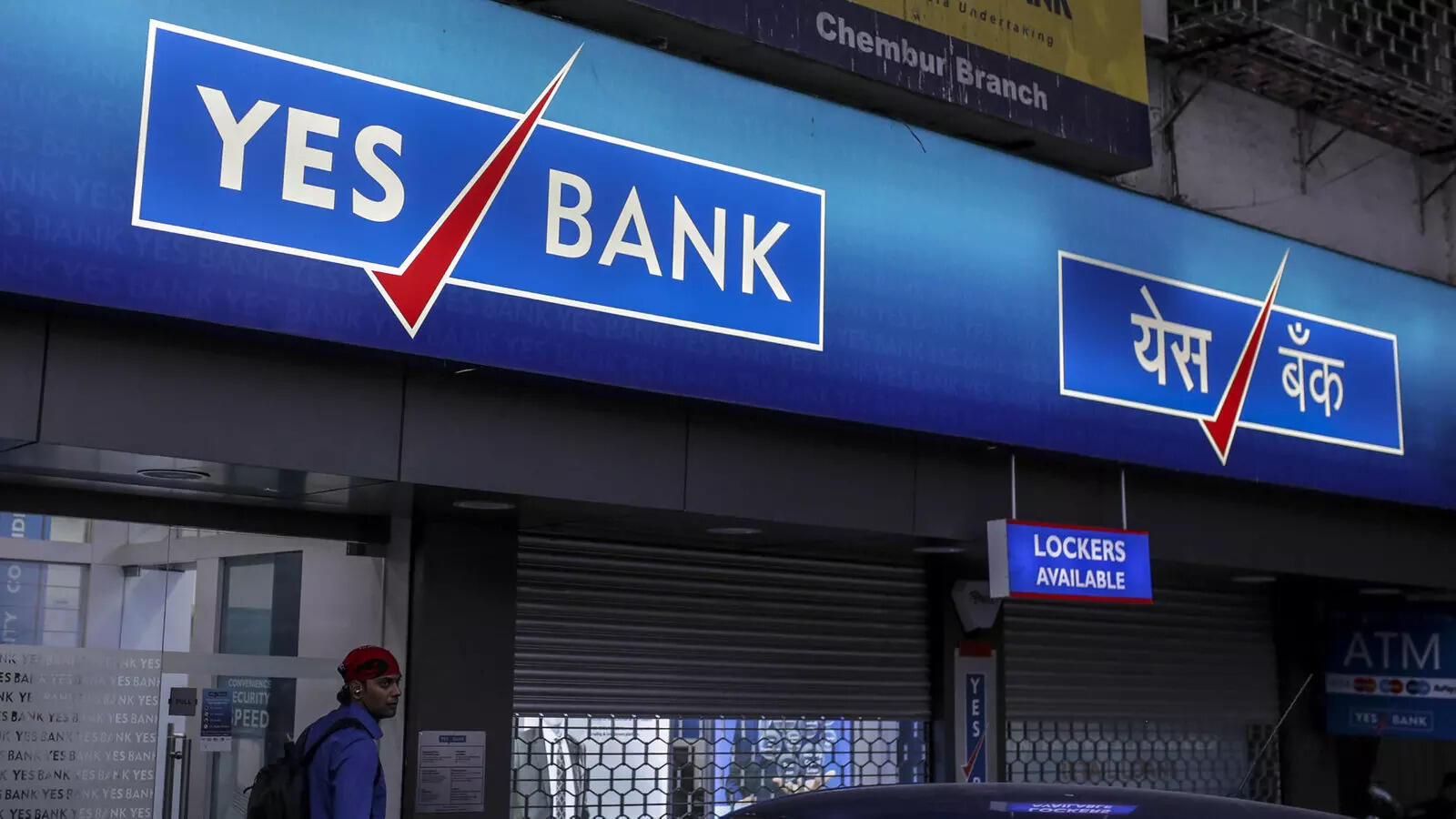
Resilient Comeback Defines Yes Bank’s Financial Journey
Mumbai: Yes Bank has emerged as one of the most closely watched turnaround stories in India’s banking sector. Established in 2004, the private lender once symbolized aggressive growth and innovation. However, after facing severe financial stress and regulatory challenges in recent years, Yes Bank has steadily worked towards rebuilding investor trust and stabilizing its operations.
In its early years, Yes Bank rapidly expanded its loan book and customer base, gaining a strong foothold in corporate banking. This growth translated into rising revenues and market capitalization, making it a favorite among investors. But rising non-performing assets (NPAs) and governance concerns triggered a crisis phase, leading to a sharp correction in its financial health.
Today, Yes Bank is focused on recovery and sustainable growth. The bank has taken multiple corrective steps, including strengthening asset quality and improving risk management practices. These efforts are gradually reflecting in its financial performance, signaling a more stable outlook.
Capital Strengthening and Strategic Reset Drive Growth
A key pillar of Yes Bank’s revival strategy has been aggressive capital infusion. The bank has raised funds through institutional investors to reinforce its balance sheet and ensure adequate liquidity. This move has not only improved its capital adequacy ratio but also enhanced confidence among depositors and stakeholders.
Alongside capital strengthening, Yes Bank has diversified its revenue streams. The bank is actively expanding its presence across retail, SME, and corporate banking segments. By reducing dependence on large corporate lending, Yes Bank is aiming to create a more balanced and less risky portfolio.
Geographical expansion has also played a role in its strategy. The bank is targeting growth in semi-urban and rural markets, tapping into India’s vast underbanked population. This approach is expected to support long-term growth while minimizing concentration risks.
Digital Banking Becomes Growth Engine
Digital transformation is at the heart of Yes Bank’s future roadmap. The bank has invested significantly in technology to enhance customer experience and operational efficiency. Its mobile and internet banking platforms now offer seamless services, including instant payments, digital account opening, and personalized financial insights.
By integrating technologies like artificial intelligence (AI) and machine learning (ML), Yes Bank is improving fraud detection, risk assessment, and customer engagement. AI-powered chatbots and automated systems are enabling faster query resolution, reducing operational costs, and improving service quality.
Digital banking has also helped Yes Bank streamline internal processes. Reduced dependency on manual operations has led to faster turnaround times and improved productivity, positioning the bank as a competitive player in the evolving fintech-driven landscape.
Asset Quality and Risk Management in Focus
One of the most critical areas for Yes Bank has been improving asset quality. The bank has taken proactive steps to reduce its NPA levels through recoveries, write-offs, and stricter lending norms. Enhanced due diligence and risk assessment frameworks are now central to its lending strategy.
This renewed focus on risk management is expected to prevent past mistakes and ensure sustainable credit growth. Analysts believe that consistent improvement in asset quality will be a key driver of Yes Bank’s long-term profitability.
Future Outlook: Steady but Promising Growth
Looking ahead, Yes Bank’s growth strategy appears balanced and forward-looking. With a stronger capital base, diversified portfolio, and digital-first approach, the bank is well-positioned to capitalize on India’s growing banking demand.
While challenges remain, particularly in maintaining asset quality and profitability, Yes Bank’s transformation journey reflects resilience and strategic clarity. If execution remains consistent, the bank could regain its position as a strong player in India’s private banking space.
Conclusion
Yes Bank is no longer just a story of crisis—it is increasingly becoming a case study in recovery and reinvention. By focusing on capital strength, digital innovation, and prudent risk management, Yes Bank is unlocking new growth opportunities and setting the stage for long-term financial success.