
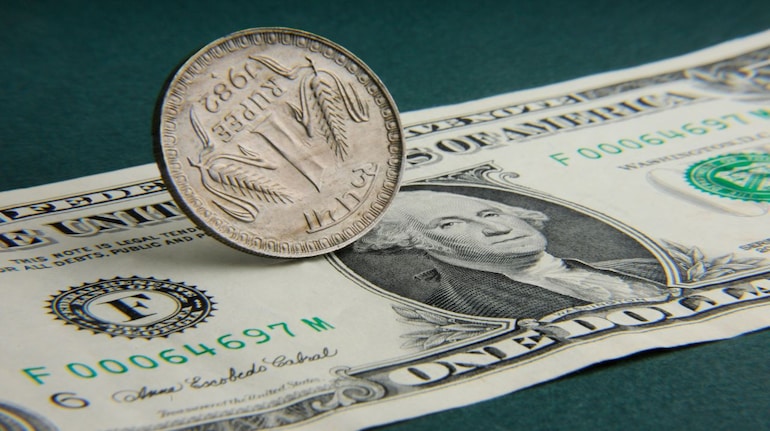
The Indian rupee tumbled to a new all-time low on Thursday, sliding to ₹90.42 per U.S. dollar, as persistent dollar demand in domestic markets overshadowed the temporary lift expected from the U.S. Federal Reserve’s latest rate cut.
The currency was quoted around ₹90.42 at 1:45 pm, Reuters reported.
Persistent Dollar Demand Cancels Out Fed Tailwinds
The U.S. Federal Reserve on Wednesday announced a widely anticipated interest rate cut and hinted at a prolonged pause, sparking an initial dip in the dollar and mixed reactions across Asian currencies.
However, the rupee failed to benefit from the softer dollar tone.
Forex dealers said heavy dollar buying by both local and foreign banks—primarily for corporate and trade-related payments—continued to put downward pressure on the Indian currency.
“There is consistent dollar outflow pressure which is outweighing the supportive global cues,” a banker told Reuters.
Heading for the Sharpest Yearly Drop Since 2022
The rupee’s latest slide puts it on track for its worst annual performance since 2022, weighed down by volatile foreign portfolio flows and growing uncertainty triggered by recent U.S. tariff actions targeting Indian goods.
Analysts caution that without progress on trade negotiations with Washington, the rupee may face deeper depreciation risks in the coming months.
RBI’s Upcoming $5 Billion Swap in Focus
Markets are now eyeing the Reserve Bank of India’s scheduled dollar–rupee buy/sell swap worth $5 billion, expected next week.
The operation is designed to inject liquidity into the system and ease funding imbalances caused by earlier interventions and heavy IPO-driven inflows.
Bankers anticipate strong demand for the swap, saying it could help absorb excess dollar liquidity and temper short-term volatility.
Sitharaman: ‘Let the Rupee Find Its Level’
Speaking at the Hindustan Times Leadership Summit 2025, Finance Minister Nirmala Sitharaman urged caution against politicising the rupee’s fall.
“The rupee will find its own level,” she said, stressing that currency movements should be interpreted in the context of India’s broader economic fundamentals.
She also noted that earlier episodes of depreciation, particularly when her party was in the Opposition, coincided with high inflation and a weaker economic environment, suggesting that present conditions are considerably more stable.
“Currency exchange rates are extremely sensitive… this debate must be circumscribed by the realities of where the economy stands today,” she added.
also see
- Mexico Slaps Up to 50% Tariffs on Imports From India, Other Asian Nations in Major Trade Policy Shift
- Deadly Floods and Landslides Devastate Indonesia, Over 920 Killed